27 GB for Rumble HACKED
2024-1-1
LHT News
In a new move in its mounting cyber attacks series, Lazagrad Hack announced a large-scale hacking operation targeting Rumble, one of the most prominent digital video sharing platforms, a major alternative to YouTube. The team managed to access a large part of the platform's databases, and this attack resulted in the leakage of approximately 27 GB of sensitive data.

According to the information available, the hack directly targeted the digital Rumble structure, as the team was able to bypass protection systems and access huge databases containing information related to the platform. Although the team described the data as "free", the nature and volume of the leaked data raise a lot of questions about whether it includes sensitive data on users or companies collaborating with the platform. This data may include: User login information. Unpublished or private video content. Technical details of the platform's structure and management tools. Internal correspondence between platform officials. Data about trading partners and advertisers.
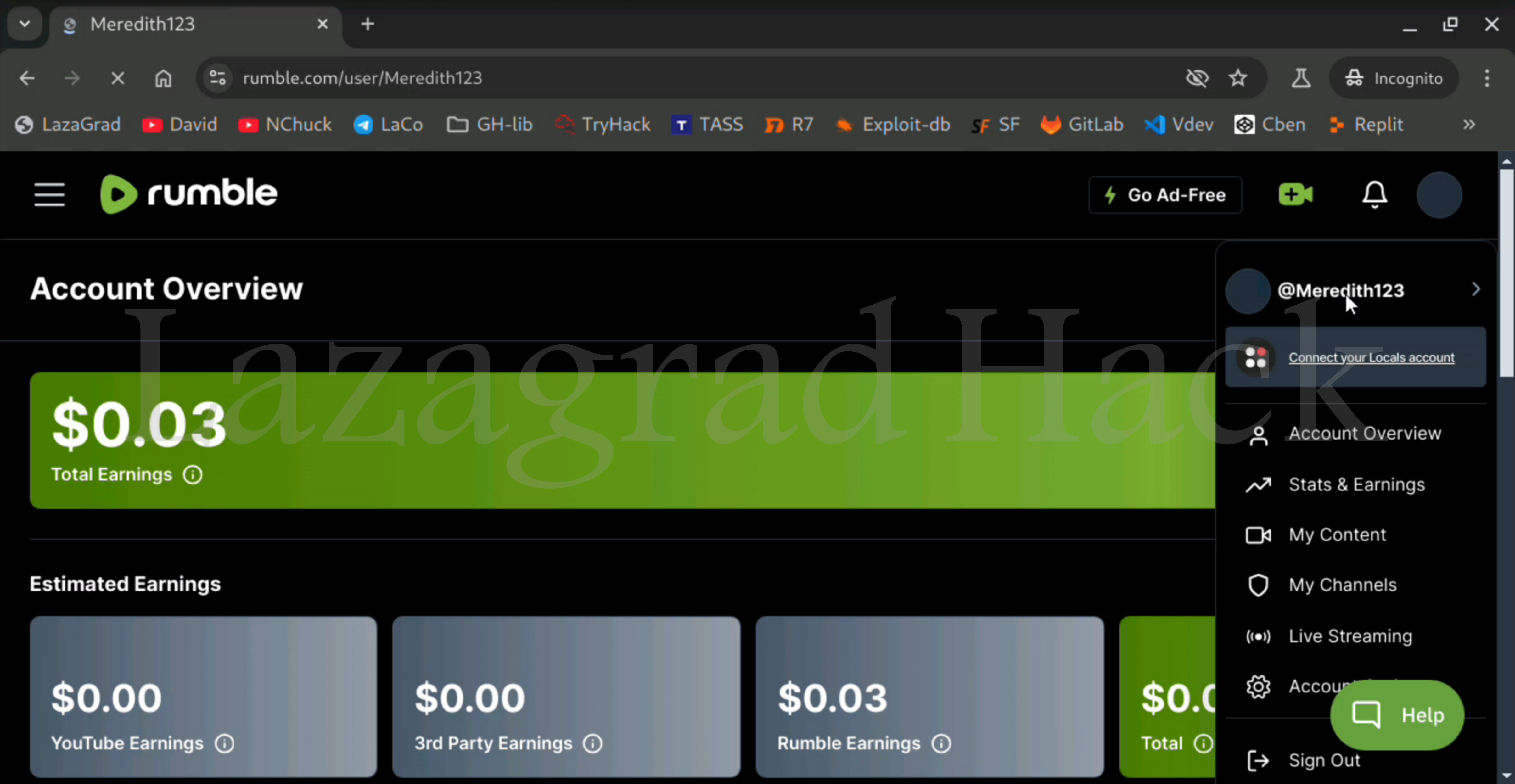
The Rumble platform is one of the most growing digital platforms in recent years, gaining wide popularity as a freedom of expression platform and a safe alternative to traditional video platforms like YouTube. The platform relies heavily on attracting content creators looking for the freedom to publish their content away from the strict censorship policies imposed by some other platforms. As the number of users and followers on the platform has increased, Rumble has become an attractive target for cyber-attacks, especially with its huge data that may be of great value, whether for attackers and for those who may want sensitive information.

The danger and impact of leaking on the platform 27 GB of data is a huge threat not only to the security of the platform but also to the privacy of millions of users who rely on Rumble to publish and follow the content. If the leaked data contain sensitive information, this may result in: hacking users' accounts and exploiting their personal data. Blackmailing the platform by publishing or selling sensitive data to third parties. Loss of users' confidence in the platform due to weak security systems. Targeting content creators with leaked information that may affect their privacy or reputation. Exploiting technical information about the platform's structure to replicate more complex future attacks. The official and expected reactions so far, the Rumble platform has not issued any official statement confirming or denying the hacking process or clarifying the details of the leaked data. However, the platform is expected to face increasing pressure from users and the media to take a clear and transparent stance on the incident, and to clarify the steps it will take to enhance its cybersecurity. If the platform is confirmed to be hacked, it may have to: launch an extensive internal investigation to see how the hack occurred. Inform the affected users of changing or securing their accounts. Cooperation with international security agencies to track the perpetrators of the attack. Strengthening protection systems to avoid any future intrusions. The Lazagrad Hack team's goals from the operation The Lazagrad Hack team has recently become a prominent name in the world of cyber attacks, as it carries out hacking operations targeting major systems and platforms in various sectors. It seems that this process comes as part of the team's strategy to strike the digital structure of major institutions and platforms, with the aim of revealing its security weakness, or perhaps for political or economic purposes. Through this process, the team seeks to: show the fragility of security systems even on global platforms. Sending threatening messages to platforms that you consider hostile or biased to certain parties. Achieving media gains by highlighting his advanced cyber capabilities. The future of cybersecurity on digital platforms This massive Rumble-sized platform breakthrough reflects a dangerous reality about the escalation and complexity of cyber attacks. The pace of these attacks is expected to increase in the future, especially with the increasing reliance on digital systems in the management of content and services over the Internet. Major digital platforms should enhance their investments in cyber security by: developing internal protection systems and using artificial intelligence techniques to detect early threats. Perform regular security tests to ensure the rigidity of digital structure. Encrypt sensitive data and ensure that it is protected from unauthorized access. Educate users about the importance of protecting and securing their accounts.
 EN
EN